Ants in the kitchen or along a window can be frustrating, especially when they return after you clean them up. A few foraging ants may be searching for food or water, while a steady trail can point to a nearby nest or an easy route into the home.
This guide covers common signs of ant activity, where ants may be getting inside, what you can do after a sighting, and how a professional inspection can help. It’s written for Chicago homeowners who want straightforward answers and practical next steps.
Signs of an ant problem
Ants are small, but their activity often follows a visible pattern. Look for clues that help show where they are traveling and what may be drawing them in:
- Lines of ants moving between a food or water source and a hidden entry point
- Ants gathering around sinks, pet bowls, pantry shelves, or trash
- Small piles of soil or debris near cracks, baseboards, or a foundation
- Winged ants indoors, which can be a reason to schedule an inspection
- Repeated activity in the same room even after visible ants are removed
Where ants get inside
Ants can enter through tiny gaps around windows, doors, foundations, plumbing, and utility lines. Once inside, they may follow edges and corners toward food, moisture, or sheltered spaces.
Different ant species can nest in different places, including outdoors near the foundation or inside wall voids and other protected areas. Identifying the species and tracing activity helps determine the right control approach.
What to do when you see ants
A few practical steps can help reduce what attracts ants while you arrange an inspection:
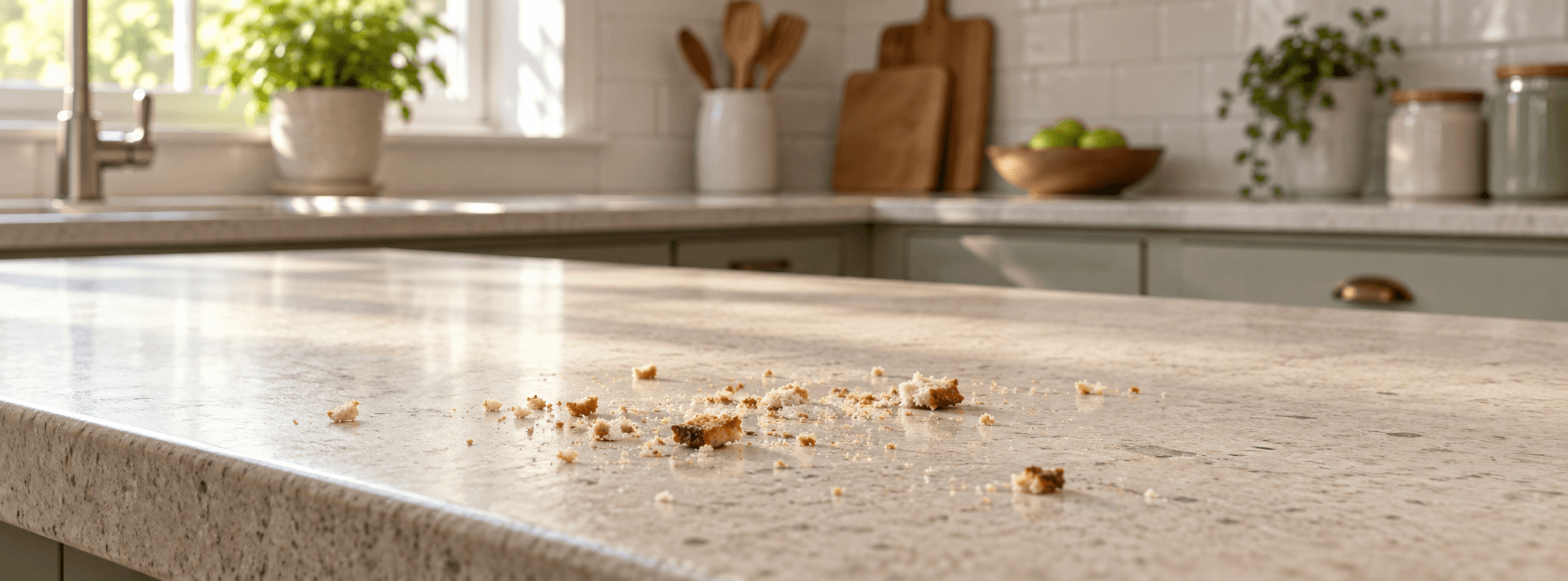
- Wipe up crumbs and spills, and store pantry food in sealed containers.
- Rinse food containers before putting them in recycling and keep trash covered.
- Dry sinks and counters, and repair leaks when possible.
- Note where trails appear and take a photo to help identify the ants.
- Avoid spraying directly over ant trails or combining products; this may scatter activity or interfere with treatment.
How professional treatment helps
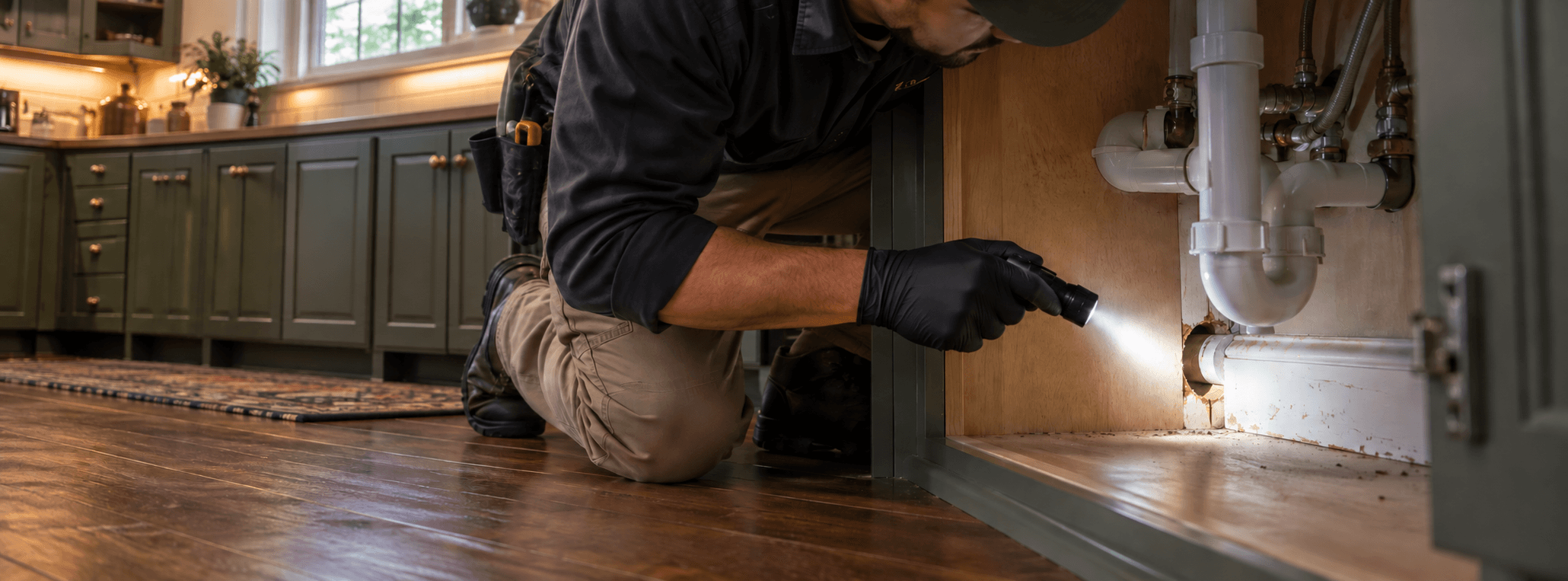
A professional inspection can help identify the ant species, trace where ants are traveling, and look for conditions that may be supporting activity. Your technician can explain treatment options and practical steps for your home, including what to expect around children and pets.
Preparing for service
Your technician will share instructions for your home and treatment plan. These general steps can make an inspection easier:
- Make a note of where and when you have seen ants.
- Clear access to sinks, pantry areas, windows, and suspected entry points.
- Put away exposed food and pet bowls as directed.
- Tell your technician about children, pets, and any products you have already used.
- Follow the technician’s guidance before and after service.
A clear next step
Ant activity can be persistent, but you don’t have to guess where it is coming from or which product to try next. A professional inspection can give you a clearer picture of the problem and a plan tailored to your home.