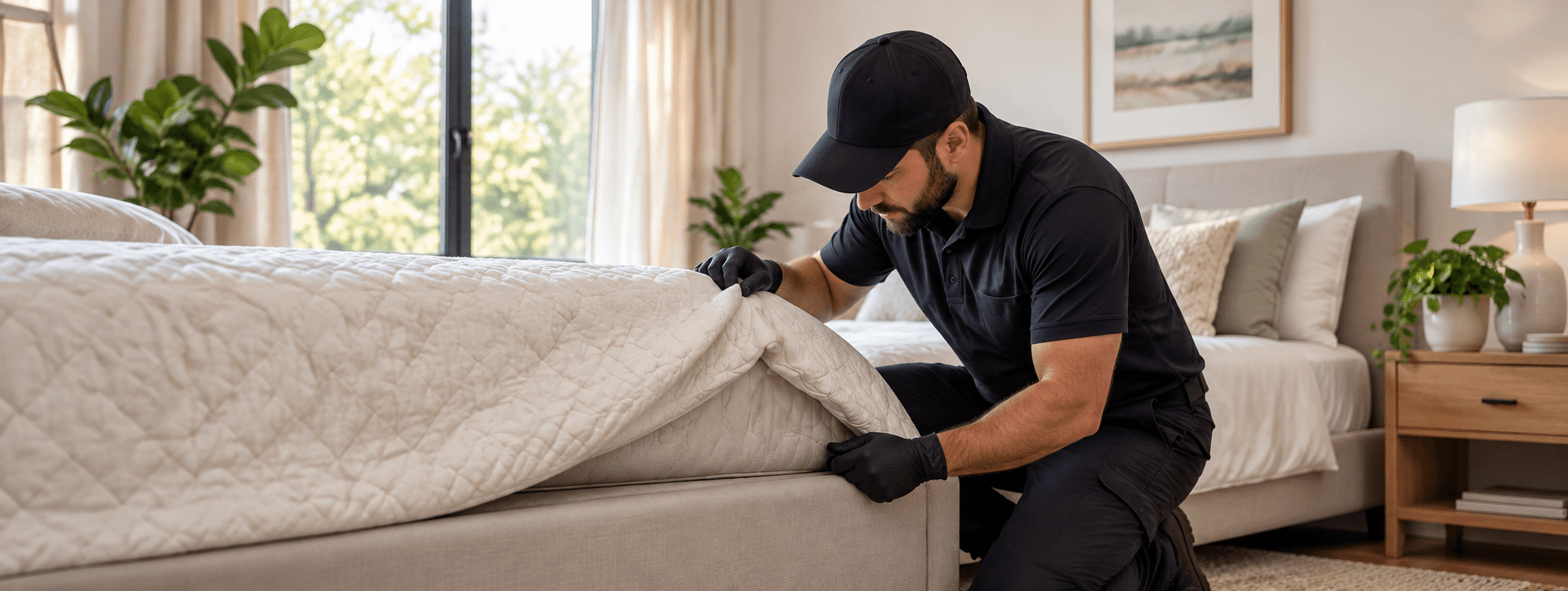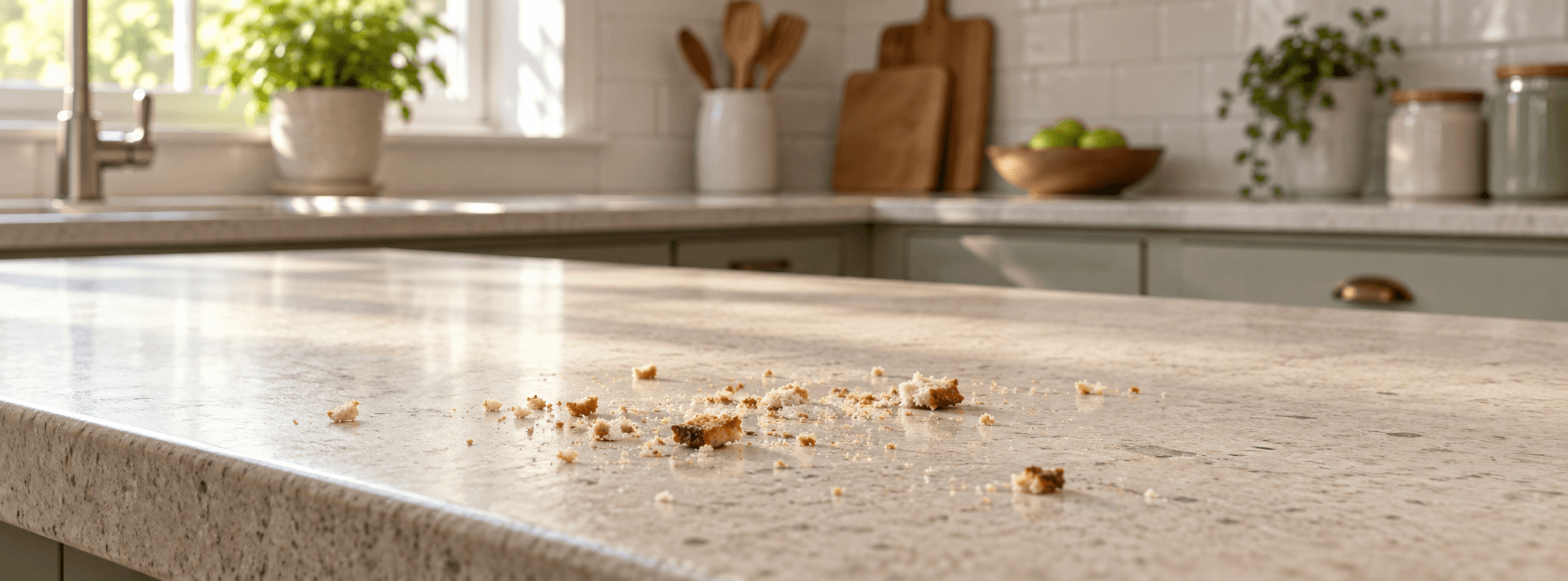
Finding droppings, hearing movement in a wall, or spotting a mouse can make home feel less comfortable. Rodents can squeeze through surprisingly small openings and often stay hidden, so a sighting is a good reason to look for other signs and identify how they may be getting inside.
This guide covers common signs of mice and rats, places they may enter or nest, what to do after a sighting, and how professional rodent control can help. It’s written for Chicago homeowners who want straightforward answers and practical next steps.
Signs of rodent activity
Rodents are most active out of sight, but they can leave evidence along walls, in storage areas, and near food or water. Look for a combination of clues:
- Small, dark droppings in cupboards, drawers, or along walls
- Gnaw marks on food packaging, wood, or other materials
- Scratching or scurrying sounds in walls, ceilings, or under floors
- Nesting material such as shredded paper, fabric, or insulation
- Greasy rub marks or a stale odor along hidden paths
Where rodents get in
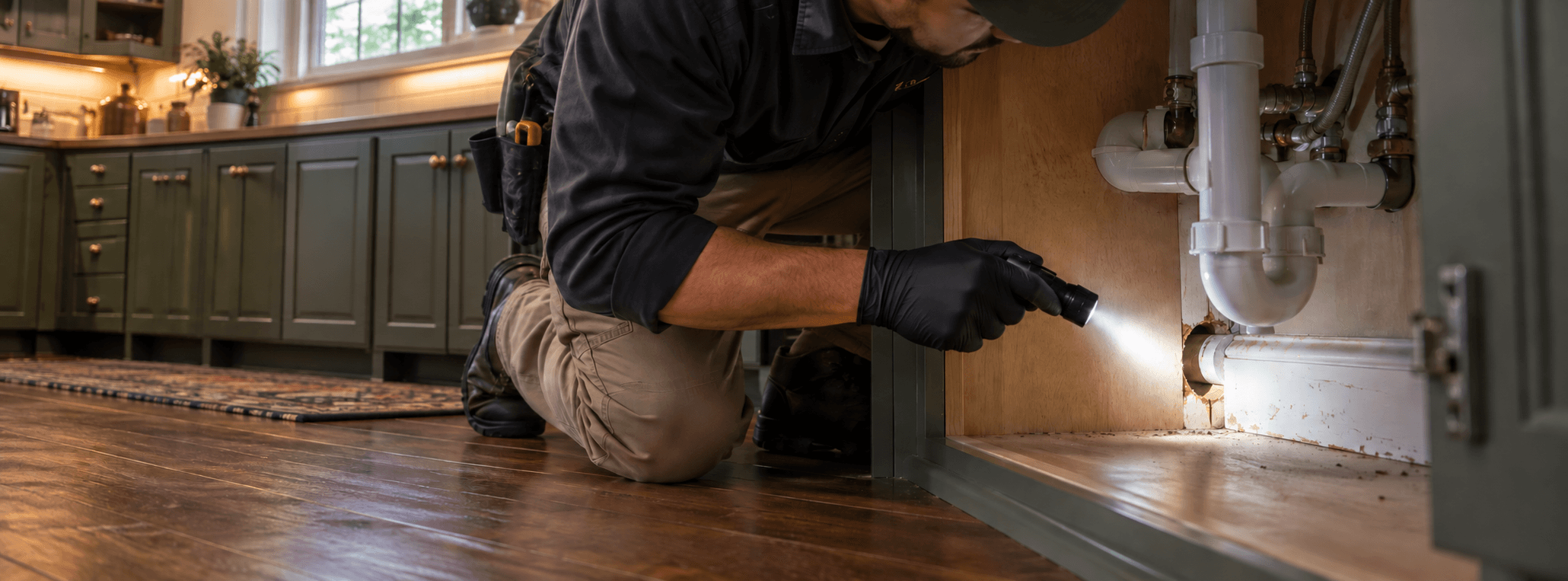
Mice and rats can enter through gaps around pipes, utility lines, doors, vents, foundations, and roof edges. Once inside, they may travel along walls and settle in quiet spaces such as basements, attics, cabinets, or areas behind appliances.
Finding the entry point is an important part of lasting control. An inspection can help locate activity and identify gaps or conditions that may be attracting rodents.
What to do after a sighting
While arranging an inspection, these steps can help limit access to food and reduce the chance of further contact:
- Store food and pet food in sturdy, sealed containers.
- Keep counters clear, secure garbage, and clean up food spills.
- Note where and when you saw activity, and take a photo from a safe distance.
- Keep children and pets away from droppings, nests, and suspected rodent areas.
- Avoid handling rodents or droppings, and don’t place poison where children or pets could reach it.
How professional service helps
A professional inspection can help identify the rodent, assess where it is active, and look for likely entry points. Your technician can explain control options, recommend practical exclusion and sanitation steps, and outline what to expect for your home.
Preparing for service
Your technician will share instructions tailored to your home. These general steps can make an inspection easier:
- Make a note of sightings, sounds, and areas where you found signs.
- Clear access to utility areas, cabinets, and suspected activity when safe to do so.
- Store food and pet supplies in closed containers.
- Tell your technician about children, pets, and any products or traps already used.
- Follow the technician’s guidance before and after service.
A clear next step
Rodent activity can be stressful, but you don’t have to guess where it’s coming from or what to try next. A professional inspection can give you a clearer picture of the problem and a plan tailored to your home.