Finding a roach in the kitchen or hearing scratching in a wall can leave you wondering what is happening out of sight. An inspection helps connect the clues, identify the pest, and focus on where activity may be coming from.
This guide explains why a roach and rodent inspection can help, what signs to note, which areas a technician may check, and how to prepare for a visit. It also covers why landlords may schedule an inspection between tenancies, before leasing an apartment to a new resident.
Why an inspection matters
Roaches and rodents can both stay hidden while leaving signs around food, water, and sheltered spaces. An inspection helps distinguish what you are seeing, assess where activity is concentrated, and look for conditions or openings that may be contributing to the issue.
Because the two pests leave different clues and may need different responses, sharing what you have noticed can help the technician focus the inspection.
Signs to look for
Make a note of any activity you have seen without touching insects, droppings, or nesting material. Common clues include:
- Live roaches, egg cases, shed skins, or small dark droppings near cabinets and appliances
- Rodent droppings, gnaw marks, or damaged food packaging
- Scratching or scurrying sounds in walls, ceilings, or under floors
- Shredded paper, fabric, or insulation that may indicate nesting
- Recurring activity near plumbing, utility lines, vents, doors, or foundations
Where activity may be hiding
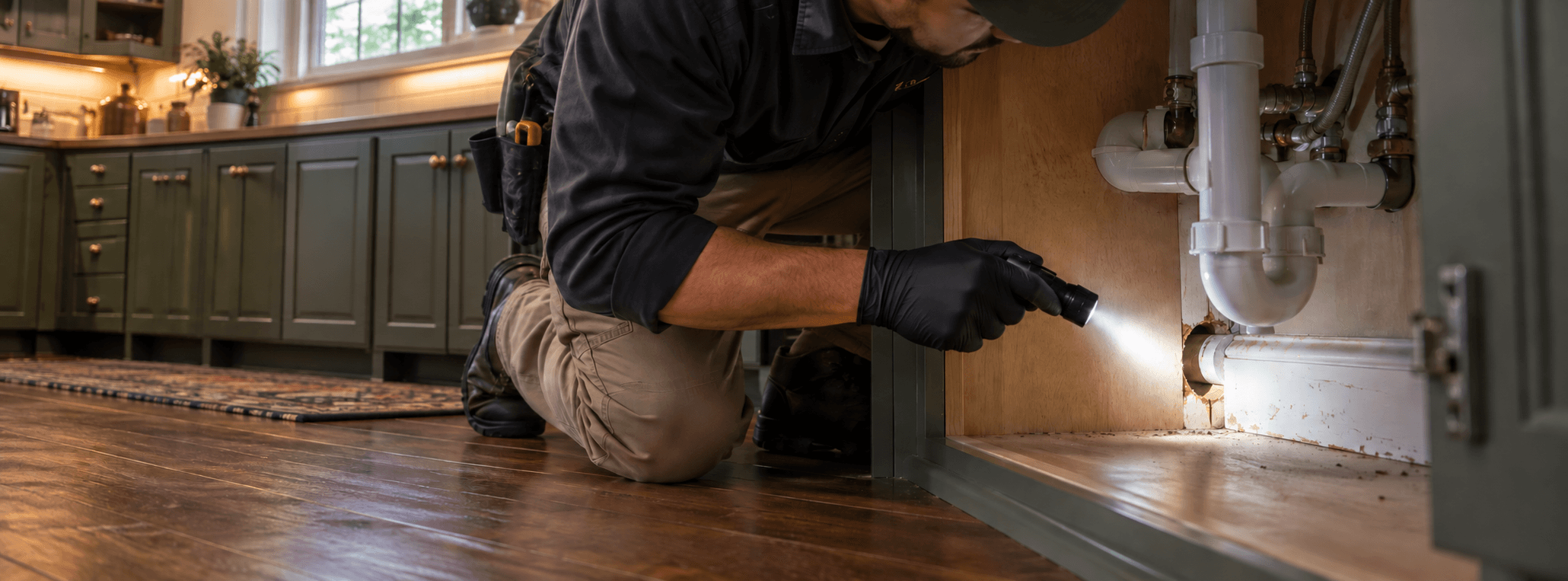
Roaches often gather in warm, damp spaces close to food and water, including beneath sinks, behind appliances, and inside cabinet gaps. Rodents may travel along walls and nest in quiet areas such as basements, attics, storage spaces, or behind appliances.
A technician may check these areas along with potential entry points around pipes, utility lines, doors, vents, and the foundation. The inspection is guided by the signs and layout of your home.
What to expect during an inspection
Your technician will ask where and when you noticed activity, review the clues you have found, and inspect relevant areas inside or outside your home. They may look for live pests, droppings, nesting, damage, likely travel paths, and openings that could allow pests inside.
Afterward, you can expect an explanation of what was found and a discussion of appropriate control or prevention options. Recommendations depend on the pest, the extent of activity, and the conditions at your property.
Inspect before leasing an apartment
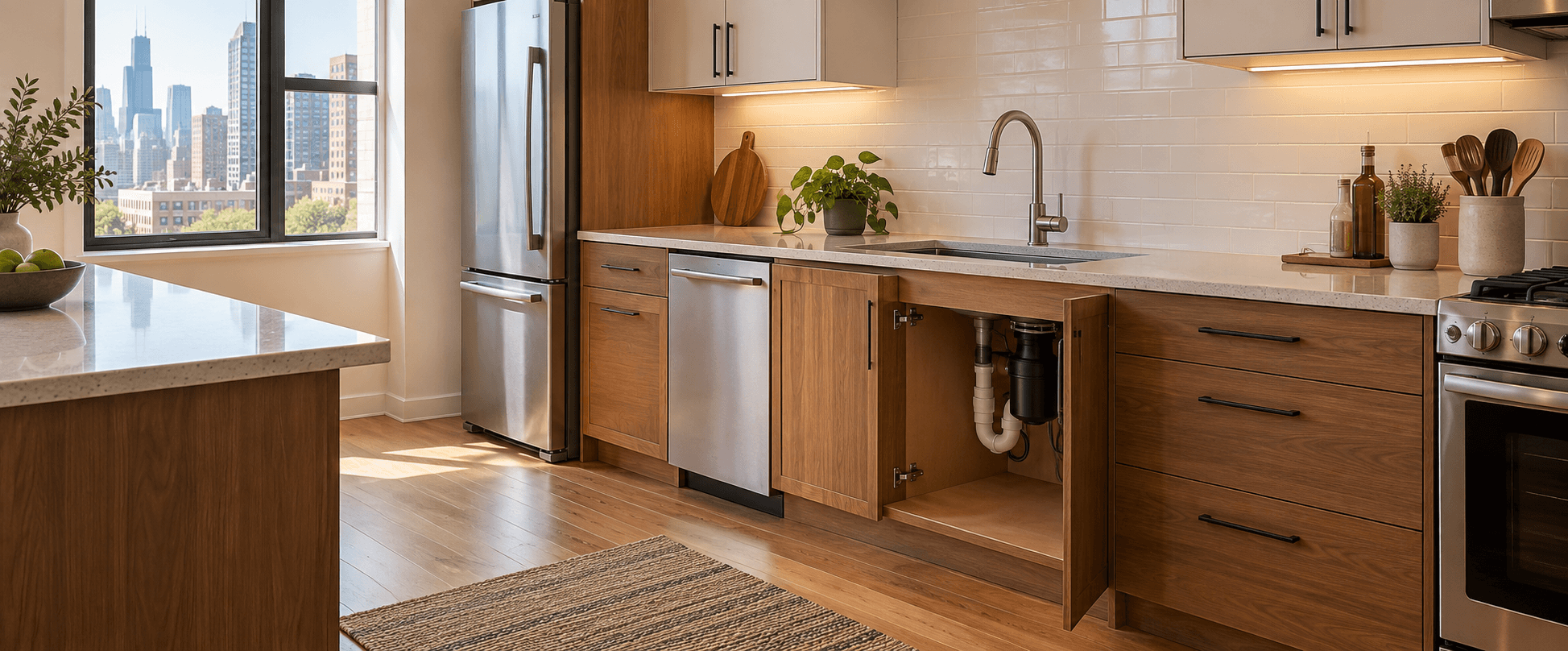
Landlords can schedule a roach and rodent inspection while an apartment is vacant and before a new lease begins. This gives a technician room to check kitchens, bathrooms, utility openings, storage areas, and other places where pest activity may be easier to spot between tenants.
If the inspection finds signs of activity or conditions that may let pests in, you can discuss appropriate next steps before move-in. For multi-unit properties, ask about checking nearby units or shared areas when the findings suggest activity could extend beyond one apartment.
Keep a record of the inspection and any follow-up work, and coordinate access and preparation with your technician. An inspection helps assess conditions at the time of the visit; it does not guarantee pests will never enter later.
How to prepare
Whether you are a homeowner or preparing a rental between tenants, a few simple steps can make it easier for your technician to inspect the areas that matter:
- Write down where and when you noticed pests, noises, or other signs.
- Take photos from a safe distance if you can do so without disturbing the area.
- Clear access to under-sink cabinets, utility areas, or other suspected locations when safe.
- Keep children and pets away from droppings, nests, and suspected activity.
- Tell your technician about any traps, products, or cleanup already attempted.
Do not sweep or vacuum rodent droppings or handle rodents or nests. Ask your technician for guidance on safe cleanup.
A clear next step
You do not have to work out whether the signs point to roaches or rodents on your own. An inspection can help clarify what is happening and give you a practical plan for protecting your home.