Pest concerns can interrupt daily operations and create extra work for your staff. A clear commercial pest control plan starts with understanding your space, how it is used, and where activity or conditions may be drawing pests in.
Proven Pest Solutions works with businesses in Chicago to inspect, explain findings, and discuss practical service options. Whether you manage a restaurant, grocery store, cafe, office, or warehouse, recommendations can be shaped around your property and operating schedule.
Commercial properties we serve
Different businesses have different layouts and day-to-day needs. Commercial service can support a range of spaces, including:
- Restaurants: kitchens, food storage, waste areas, dining rooms, and delivery points
- Grocery stores: receiving areas, stockrooms, shelves, produce sections, and waste handling spaces
- Cafes: prep counters, beverage stations, storage, seating areas, and entryways
- Offices: breakrooms, shared kitchens, utility rooms, and common areas
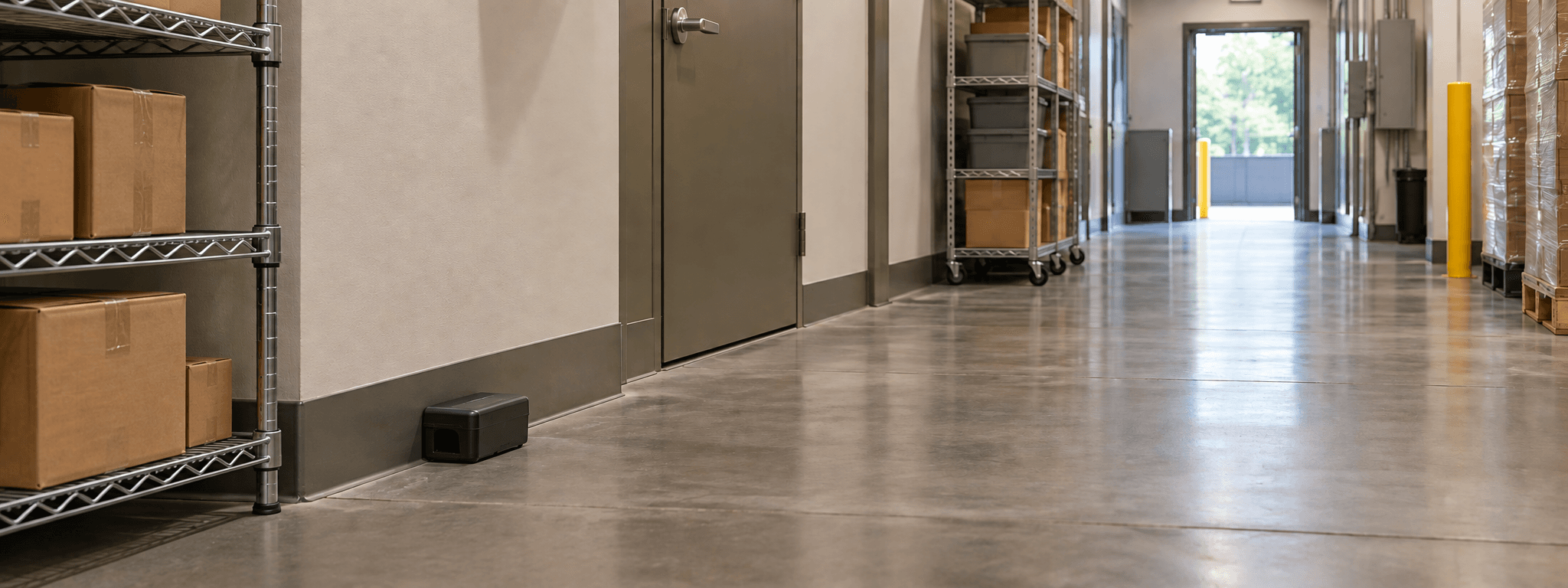
- Warehouses: loading docks, inventory zones, storage areas, and building perimeters
Common pest pressures
Food, water, deliveries, waste, and small building gaps can all affect pest activity. Depending on the property, businesses may be concerned about roaches, rodents, ants, flies, stored-product pests, or other local pests.
Recurring sightings, droppings, gnaw marks, damaged packaging, or pest activity near receiving and storage areas are useful details to share. Keeping a simple record of dates and locations can help your technician investigate patterns.
A plan around your operation
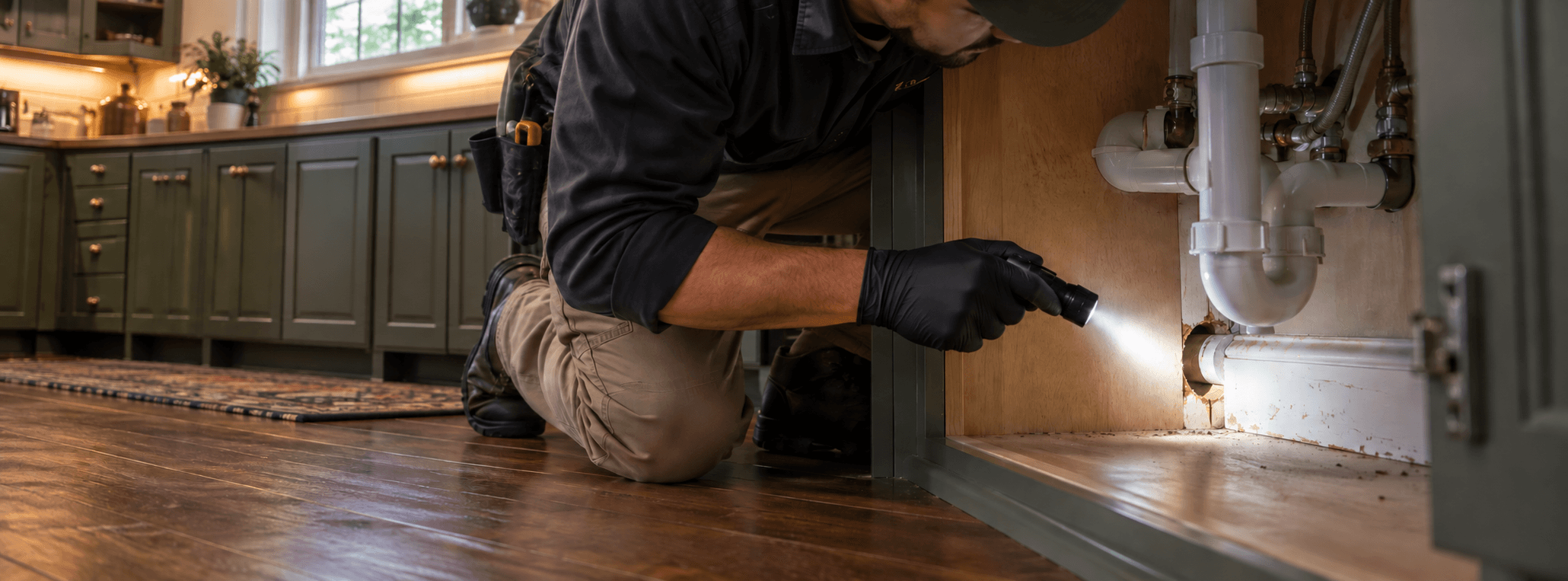
Commercial service begins with a conversation about your business, the areas of concern, and any access or scheduling needs. An inspection can help identify pest activity, potential entry points, and conditions that may support pests.
From there, your technician can explain findings and discuss suitable next steps. Depending on the property, those may include targeted treatment, monitoring, exclusion recommendations, sanitation improvements, or a follow-up visit. The right approach depends on what the inspection finds.
What to expect from service
Your technician will ask about recent sightings, affected areas, business hours, and any steps already taken. The inspection may include relevant interior and exterior areas such as kitchens, storage rooms, breakrooms, waste areas, loading docks, and entry points.
After the visit, you can review what was observed, discuss service options, and clarify any preparation or follow-up instructions. For food-handling businesses, coordinate service timing and access with your team and follow all site procedures and technician guidance.
Preparing your team and space
A little coordination can help an inspection or service visit go smoothly:
- Make a note of pest sightings, locations, and times, and share any photos if available.
- Identify a staff contact who can provide access and answer questions.
- Clear access to affected storage, utility, or service areas where practical.
- Tell your technician about business hours, deliveries, sensitive areas, and site requirements.
- Follow the preparation, treatment, and re-entry guidance provided for your specific service plan.
Request a commercial inspection
Every property has its own operating needs and pest pressures. Start with a conversation about your business, what you are seeing, and which areas need attention. Our Chicago team can help you understand the next step and discuss a service plan for your space.